Minimalist Solid Wood Furniture: A Guide to Timeless Design and Craftsmanship
31 August 2026 · 16 min read
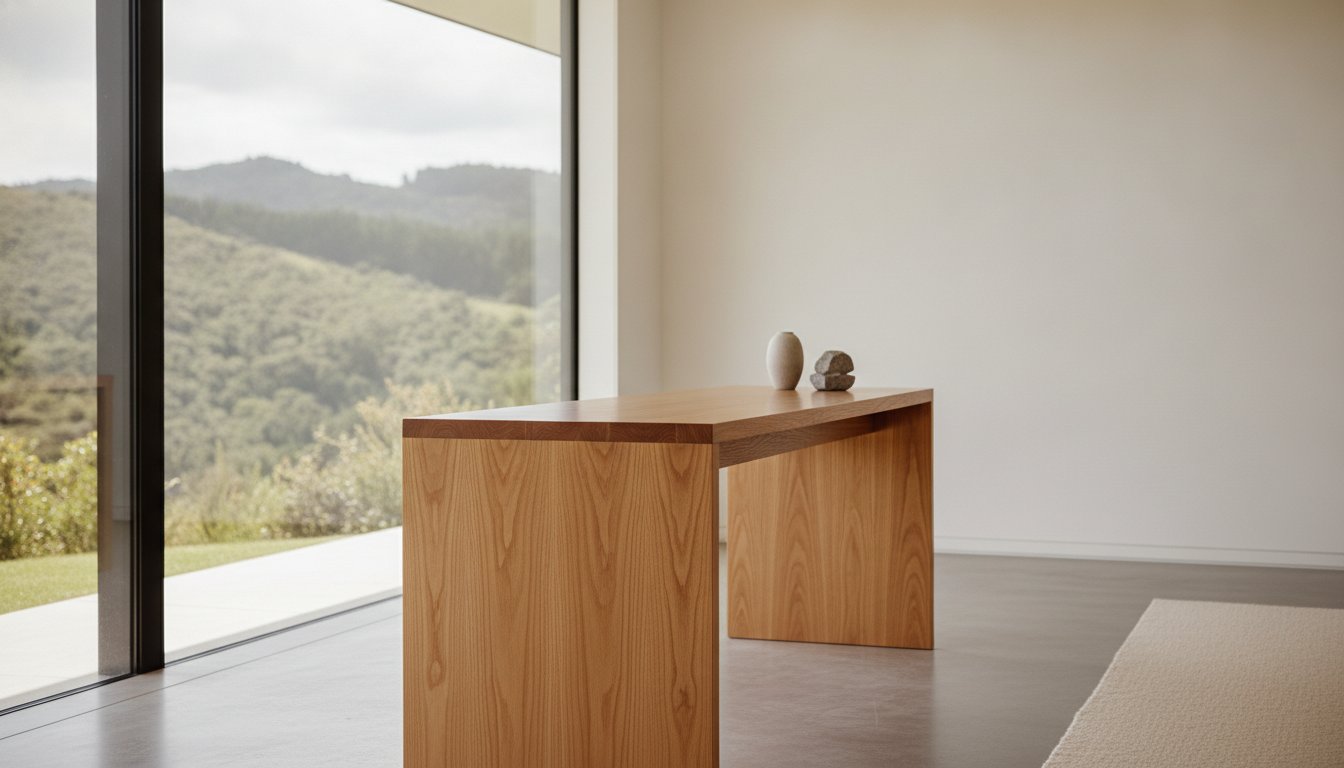
Why do we continue to fill our homes with mass-produced pieces that struggle to survive a single house move? It is a common frustration to watch a laminate surface peel or a joint wobble after only a few years of use. You likely want a home that feels like a sanctuary, free from the visual noise of ornate designs and the disappointment of "timber-look" materials. Choosing minimalist solid wood furniture allows you to strip away this clutter and focus on substance. We agree that your living space should be a place of calm and permanence, not a temporary stop for furniture headed to a skip.
This article shows you how clean aesthetics and precision craftsmanship combine to create a clutter-free sanctuary. You will learn about the durability of real timber and how CNC machining ensures a perfect fit for every piece. We will also look at the benefits of supporting local makers through ranges like EasyFit, which offer quality without the complexity. We'll preview the essential elements of timeless design and explain why investing in solid materials is the most sustainable choice for an organised home. Discover how to identify genuine quality and create a space that remains functional for decades.
Key Takeaways
- Understand the "less is more" philosophy and how it prioritises the natural character of the timber over unnecessary ornamentation.
- Compare the structural integrity of real timber against MDF to see why minimalist solid wood furniture is essential for achieving slim yet durable profiles.
- Discover the role of precision CNC machining in creating seamless joins and tolerances that traditional hand-cutting cannot match.
- Learn how to use minimalist timber pieces to reduce visual noise and organise high-traffic areas of your home effectively.
- Explore the journey from sawmill to finished product and why the EasyFit range represents the future of locally crafted, high-quality furniture.
What Defines Minimalist Solid Wood Furniture?
Minimalist solid wood furniture is defined by what is absent. It is the practice of stripping away the superfluous to reveal the intrinsic character of the timber. To understand What Defines Minimalist Solid Wood Furniture?, one must look at the movement's focus on essentialism. Every joint, surface, and leg exists because it has a job to do. There are no decorative mouldings or ornate carvings to hide structural flaws. Instead, the design relies on the structural integrity of the material itself.
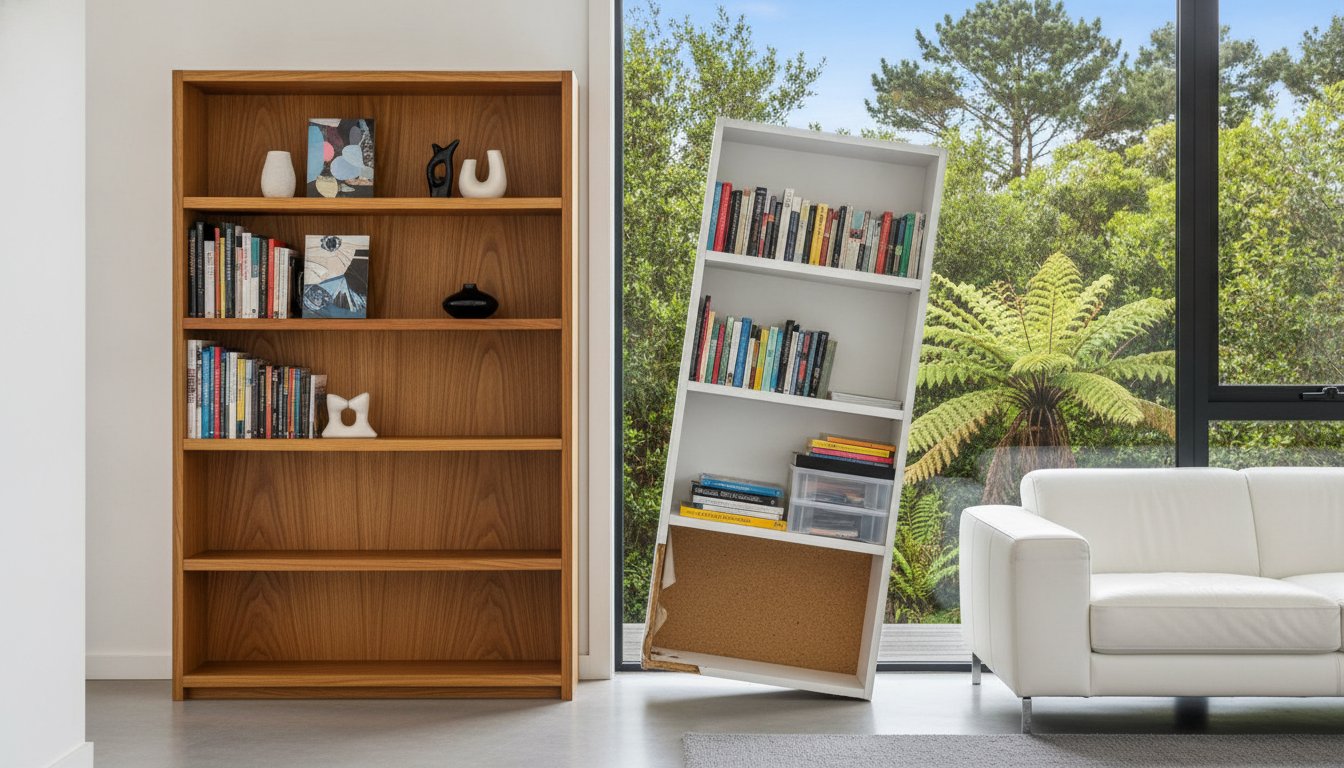
The "Less is More" philosophy applies directly to functional home items. In a modern home, furniture should support your lifestyle without demanding constant attention. We see a clear move away from "fast furniture" toward intentional, long-term pieces. Cheap, laminate-coated composites often swell or break after a single move. In contrast, solid timber products are built for durability and resilience. This shift is about value. It's about choosing a single, well-made table over three disposable ones. It is a commitment to sustainability through longevity.
The Core Principles of Minimalist Design
Minimalism in the workshop begins with a function-first approach. If a component doesn't improve the stability or use of the piece, it's removed. This creates a clean silhouette that allows the room to "breathe" rather than dominating the floor plan. This use of negative space is vital in modern New Zealand interiors. It prevents a space from feeling cramped or cluttered, even in smaller urban dwellings.
Material honesty is the final pillar. We don't use veneers or hidden MDF. When you look at a piece of minimalist solid wood furniture, you're seeing the actual grain that runs through the entire board. This transparency builds trust between the maker and the owner. There is no hidden glue or sawdust; just pure, milled timber.
Why Timber Grain is the Best Ornament
In minimalist design, the wood's history becomes the decoration. The natural patterns of the grain provide a subtle visual texture that no man-made laminate can replicate. These growth rings and knots tell a story of the tree's life. By keeping the design simple, we avoid distracting from this natural beauty. The timber provides all the visual interest required.
The experience is also tactile. There is a specific warmth to finished solid timber that feels grounded and permanent. Whether it's a smooth tabletop or a precision-machined edge, the physical connection to the wood is part of the design. It turns a simple utility item into a sensory experience that improves with age. The wood develops a patina over time, making it more beautiful as the years pass.
Solid Wood vs. MDF: The Case for Material Integrity
The choice between real timber and composite boards is a choice between permanence and obsolescence. MDF relies on chemical binders to hold wood particles together. It lacks the internal architecture found in natural growth. This structural difference is why minimalist solid wood furniture maintains its form while cheaper alternatives sag or swell. When you invest in solid materials, you're buying a piece that understands the physics of your home.
Repairability is the often-overlooked advantage of solid wood. If a surface is scratched or stained, you can sand it back and refinish it. You can't do that with a laminate or a veneer. Once the thin plastic layer of a composite board is breached, the piece is effectively ruined. This ability to renew the surface transforms the furniture from a temporary solution into a legacy item. It supports a home environment that values substance over the cycle of "fast furniture" disposal.
The Structural Strength of Real Timber
Real timber handles weight through its continuous fibre structure. In a minimalist table, the legs are often slim to create a sense of lightness. These thin profiles require the high density found in hardwoods to resist snapping under tension. Grain direction is another factor we consider in the workshop. By aligning the grain with the load, we ensure the piece remains stable for decades. Chipboard and MDF have no grain; they are isotropic and prone to crumbling at the points where screws or bolts are inserted.
Environmental and Health Considerations
Health is a significant factor in material selection. Many mass-market flat-packs use resins that contain formaldehydes. These chemicals can off-gas in your home for years. Choosing solid timber products avoids these synthetic binders entirely. There is also a clear environmental benefit. Locally milled timber acts as a carbon sink, locking away CO2 for the life of the furniture. When a solid wood piece eventually reaches the end of its life, it is fully biodegradable. Composites are often bound with plastics that make them destined for a landfill. Our approach focuses on using authentic materials that respect both the user and the environment.
Precision Engineering: The Modern Workshop Secret
Simplicity is difficult to execute. In minimalist design, there are no decorative flourishes to mask a loose joint or an uneven edge. Every line is exposed. This is why precision engineering is the silent partner of the artisan. By using advanced technology, we achieve a level of detail that defines the modern workshop. It is the intersection where digital design meets the physical reality of the timber grain.
Precision is the key to creating furniture that looks effortless. When a table has only four legs and a top, those connections must be perfect. Even a millimetre of error can disrupt the visual balance and weaken the structure. We use these technical standards to ensure that minimalist solid wood furniture remains stable through years of daily use. The result is a piece that feels solid because it is engineered with absolute accuracy.
The Role of CNC in Minimalist Woodwork
Computer Numerical Control (CNC) machining has changed how we approach timber. It allows us to cut complex geometric shapes with repeatable accuracy. This technology is essential for creating clean, sharp lines that are the hallmark of the minimalist style. In our workshop, we use Custom CNC machining to produce components that fit together every single time. It removes the guesswork from the manufacturing process.
Efficiency is another benefit of this digital approach. Smart nesting techniques allow us to arrange parts on a board to minimise off-cuts. We get the most out of every piece of milled timber. This reduces waste and ensures we are using our resources responsibly. It is a modern way to respect the material while pushing the boundaries of what wood can do.
Joinery: Where Strength Meets Simplicity
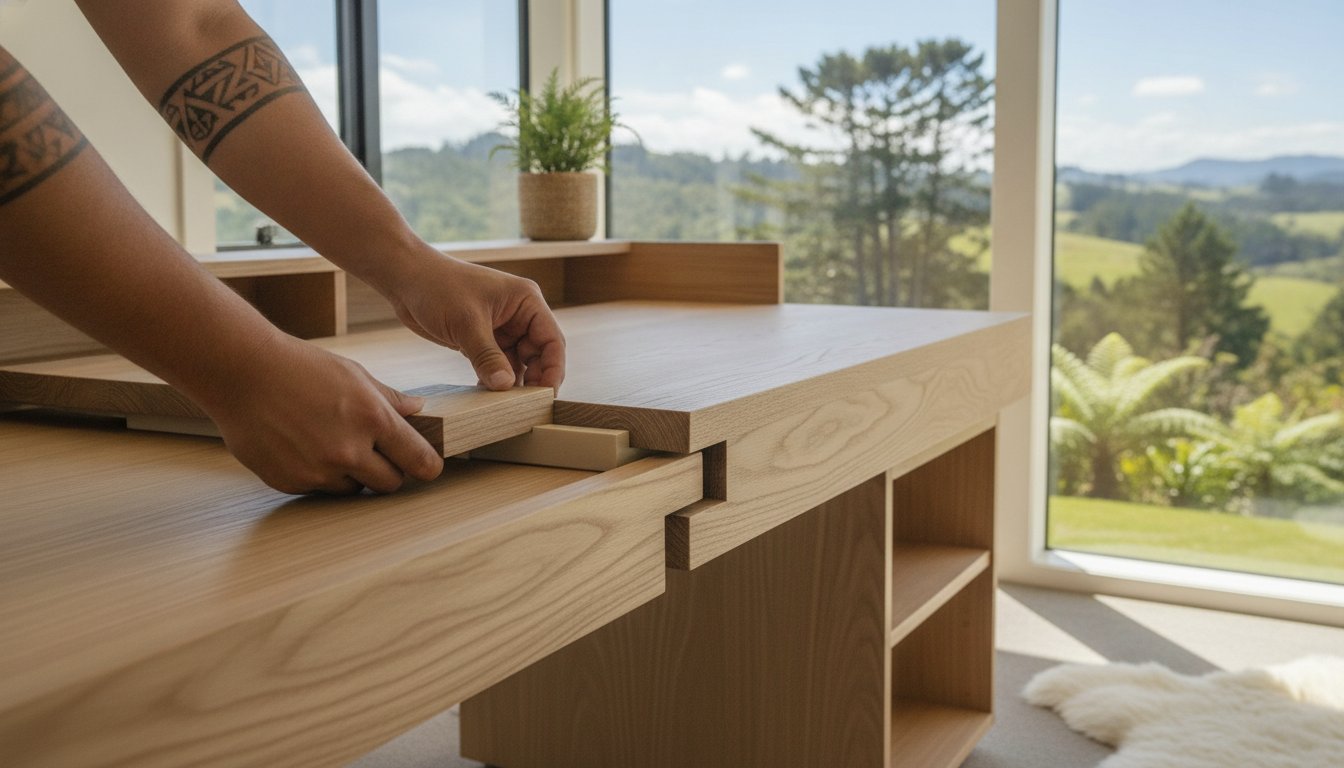
The strength of a piece of furniture lives in its joints. Traditional joinery is beautiful, but precision machining allows us to take it further. We can create hidden fasteners or interlocking parts that provide immense strength without adding visual bulk. This is the foundation of our EasyFit range. By machining parts to exact tolerances, we create furniture that assembles easily and stays rigid over time.
A perfect fit is essential for longevity. When components fit together tightly, there is less stress on the wood fibres. This prevents the wobbling and loosening common in mass-produced flat-packs. Our focus on precision means your furniture isn't just easy to put together; it's built to stay together. It is craftsmanship backed by the certainty of engineering.
Organising Your Space with Minimalist Timber Pieces
A home should be a place of recovery. Visual noise from cluttered designs and mismatched materials often prevents this. Minimalist solid wood furniture acts as a visual anchor in a room. It simplifies the environment by removing unnecessary detail. This allow the focus to shift toward the quality of the material and the flow of the space. By selecting pieces with clean lines, you create a sanctuary that feels both organised and intentional.
Selecting the right timber colour is a functional design decision. Light species like Ash or Oak are ideal for creating an airy, bright atmosphere. They reflect natural light effectively. This makes them a preferred choice for smaller New Zealand apartments or open-plan living areas where space is at a premium. Richer, darker timbers like Walnut provide a grounded, sophisticated feel. These species suit larger rooms where the furniture needs to hold its own weight visually. It is important to remember that timber is a reactive material. Its colour will mature and deepen over time as it is exposed to light. This maturation is a sign of authenticity that adds character to your home.
Minimalism in the Home Office and Living Room
High-traffic areas benefit most from a minimalist approach. A room filled with overly ornate pieces often feels crowded and chaotic. By choosing minimalist solid wood furniture, you reduce the visual noise. A solid wood desk is a perfect example. It serves as a centrepiece for focus and productivity. The lack of distracting detail allows you to concentrate on the task at hand. Precision-machined edges provide a smooth, tactile surface that makes daily use a pleasure.
Storage should also follow this philosophy. Slimline shelving units display your items without cluttering the wall. The goal is to invest in a few high-quality "hero" pieces rather than filling a room with low-grade clutter. This intentionality leads to a more peaceful living environment. You can explore our full range of solid timber products to find the right hero piece for your space.
Maintaining the Integrity of Solid Wood
Keeping solid wood looking pristine is straightforward. It does not require the harsh chemicals often used on synthetic surfaces. Regular dusting with a soft, dry cloth is usually enough for daily care. For long-term maintenance, a high-quality furniture oil or wax can be applied every few years to nourish the grain. This prevents the wood from drying out and maintains its natural lustre. Avoid placing furniture in direct contact with heat sources or in areas of extreme moisture. Unlike laminate, any minor wear can be sanded back and refinished. This ensures your furniture remains a functional part of your home for decades.
The Design Eye Approach: Crafted for the Modern Home
The journey of our minimalist solid wood furniture begins at the sawmill. We have direct access to unique milled timber and slabs, which means we select boards based on grain character and structural potential before the first cut is made. By operating as a dedicated design and manufacturing workshop, we maintain total control over every stage of creation. You aren't buying an imported product from a generic showroom floor; you're acquiring a piece born from a local workshop environment where quality is the only metric.
Our use of Custom CNC technology bridges the gap between bespoke design and efficient production. It allows for precise adjustments that traditional hand-cutting methods struggle to replicate with consistency. If a standard table height doesn't suit your specific workspace, the digital nature of our workflow allows for subtle, bespoke modifications to the design. This technical proficiency ensures that every piece of minimalist solid wood furniture meets the exact requirements of your modern interior while maintaining the soul of the raw material.
Local Craftsmanship and Precision
There is a quiet pride in New Zealand design and manufacturing. Choosing local makers reduces the heavy carbon footprint associated with international shipping and mass-market logistics. It also supports our local economy and keeps specialised machining skills alive in a digital age. You get a more personal experience when you communicate directly with the maker. We understand the physical attributes of the wood and can provide reliable advice on how a piece will perform in your specific home environment.
The EasyFit System: Quality Without the Headache
We've redefined what "flat-pack" means for the high-end market. Most people associate the term with flimsy composites and confusing instructions that lead to a wobbly finish. The EasyFit range uses precision-machined solid timber components that slot together perfectly with minimal effort. It combines the ease of transport with the lifelong durability of a custom build, ensuring your furniture arrives safely and stays solid for years to come.
These pieces are designed to be moved. You can disassemble and reassemble an EasyFit desk or shelf without losing structural integrity or stripping a screw hole. The joints remain tight because the material is authentic timber, not compressed dust or cheap board. It is a practical solution for those who value quality but need flexibility in their living arrangements. You can explore our EasyFit range of solid timber furniture to see how we blend precision engineering with the warmth of natural wood.
Creating a Legacy of Simplicity and Strength
Choosing furniture for your home is a long-term investment in your daily environment. By prioritising material integrity over temporary trends; you ensure that every piece serves a purpose for decades. We've explored how the strength of real timber and the accuracy of modern machining create a foundation for a peaceful, organised space. Supporting local craftsmanship means you receive a product designed and machined right here in New Zealand.
Precision CNC joinery ensures a perfect fit for every component; while direct sawmill sourcing guarantees the highest timber quality. This combination defines the value of minimalist solid wood furniture. It's about more than just a look; it's a commitment to sustainability and functional excellence. Your home deserves pieces that are built to move with you and endure the rigours of life.
Browse our collection of minimalist solid timber furniture and start building a home environment that reflects your values. We look forward to helping you create a space defined by calm and permanence.
Frequently Asked Questions
Is solid wood furniture really better than MDF for a minimalist look?
Yes, because minimalist design relies on structural integrity to maintain slim, clean profiles. MDF lacks the internal fibre strength of real timber and often requires bulkier sections to remain stable. Solid wood allows for a "less is more" aesthetic without compromising on durability. It provides a natural texture and warmth that synthetic composites cannot replicate, making it the superior choice for high-quality minimalist solid wood furniture.
How do I maintain the finish on my minimalist timber furniture?
Regular dusting with a soft, dry cloth is the most effective way to maintain the surface integrity. Avoid using harsh chemical cleaners or silicone-based sprays, as these can damage the natural grain over time. Depending on the specific finish, applying a high-quality furniture oil or wax every few years will nourish the wood and prevent it from drying out. This simple routine preserves the tactile warmth of the material for decades.
What is the difference between solid timber and a wood veneer?
Solid timber is a continuous board of natural wood, whereas a veneer is a paper-thin layer of wood glued onto a composite core like MDF. Solid wood is exceptionally durable and can be sanded back and refinished multiple times if it becomes marked or stained. Veneers are easily chipped and cannot be repaired once the thin surface layer is breached. Choosing solid material ensures your furniture remains a permanent fixture.
Can minimalist solid wood furniture be easily moved or disassembled?
Yes, especially when designed with precision-machined joints like our EasyFit range. Unlike mass-market flat-packs that use cam-locks and chipboard, solid timber components maintain their structural integrity when disassembled. The precision of CNC machining ensures that parts slot together perfectly every time. This makes it easy to transport your furniture between homes without the risk of the joints becoming loose or wobbly after reassembly.
Why does solid wood furniture cost more than mass-market flat-packs?
The cost reflects the intrinsic value of the raw material and the precision of the manufacturing process. Mass-market pieces use cheap, disposable composites designed for a short lifespan. Solid wood is a premium, durable resource that requires careful milling and seasoning. Investing in a locally machined piece ensures you are paying for longevity, repairability, and the skill of a dedicated maker rather than a temporary, landfill-bound solution.
Which timber species is best for a modern, minimalist interior?
The best species depends on your desired colour palette and the natural light in your room. Light timbers like Ash or Oak are excellent for creating a bright, airy feel common in Scandi-inspired spaces. Darker woods like Walnut offer a grounded, sophisticated look that provides a strong visual anchor. Every species matures differently; so we select boards that highlight the natural grain patterns essential for minimalist solid wood furniture.
Does solid wood furniture warp or crack over time?
Solid wood is a living material that responds to humidity, but proper seasoning and construction prevent significant movement. We use timber that has been correctly dried to ensure stability before machining begins. By understanding grain direction and using precision joinery, we allow the wood to breathe without compromising the structure. High-quality furniture is engineered to remain stable and functional through New Zealand's varying seasonal conditions.
Is CNC-machined furniture as good as hand-crafted furniture?
CNC machining is a modern tool that enhances craftsmanship by providing tolerances that traditional hand-cutting cannot match. It allows for perfectly repeatable accuracy and complex joinery that ensures a seamless, tight fit. This precision is vital for minimalist designs where every line is visible and there is no room for error. We combine this digital accuracy with a maker's eye for material selection to produce furniture of the highest standard.
Frequently Asked Questions
Yes, because minimalist design relies on structural integrity to maintain slim, clean profiles. MDF lacks the internal fibre strength of real timber and often requires bulkier sections to remain stable. Solid wood allows for a "less is more" aesthetic without compromising on durability. It provides a natural texture and warmth that synthetic composites cannot replicate, making it the superior choice for high-quality minimalist solid wood furniture.
Regular dusting with a soft, dry cloth is the most effective way to maintain the surface integrity. Avoid using harsh chemical cleaners or silicone-based sprays, as these can damage the natural grain over time. Depending on the specific finish, applying a high-quality furniture oil or wax every few years will nourish the wood and prevent it from drying out. This simple routine preserves the tactile warmth of the material for decades.
Solid timber is a continuous board of natural wood, whereas a veneer is a paper-thin layer of wood glued onto a composite core like MDF. Solid wood is exceptionally durable and can be sanded back and refinished multiple times if it becomes marked or stained. Veneers are easily chipped and cannot be repaired once the thin surface layer is breached. Choosing solid material ensures your furniture remains a permanent fixture.
Yes, especially when designed with precision-machined joints like our EasyFit range. Unlike mass-market flat-packs that use cam-locks and chipboard, solid timber components maintain their structural integrity when disassembled. The precision of CNC machining ensures that parts slot together perfectly every time. This makes it easy to transport your furniture between homes without the risk of the joints becoming loose or wobbly after reassembly.
The cost reflects the intrinsic value of the raw material and the precision of the manufacturing process. Mass-market pieces use cheap, disposable composites designed for a short lifespan. Solid wood is a premium, durable resource that requires careful milling and seasoning. Investing in a locally machined piece ensures you are paying for longevity, repairability, and the skill of a dedicated maker rather than a temporary, landfill-bound solution.
The best species depends on your desired colour palette and the natural light in your room. Light timbers like Ash or Oak are excellent for creating a bright, airy feel common in Scandi-inspired spaces. Darker woods like Walnut offer a grounded, sophisticated look that provides a strong visual anchor. Every species matures differently; so we select boards that highlight the natural grain patterns essential for minimalist solid wood furniture.
Solid wood is a living material that responds to humidity, but proper seasoning and construction prevent significant movement. We use timber that has been correctly dried to ensure stability before machining begins. By understanding grain direction and using precision joinery, we allow the wood to breathe without compromising the structure. High-quality furniture is engineered to remain stable and functional through New Zealand's varying seasonal conditions.
CNC machining is a modern tool that enhances craftsmanship by providing tolerances that traditional hand-cutting cannot match. It allows for perfectly repeatable accuracy and complex joinery that ensures a seamless, tight fit. This precision is vital for minimalist designs where every line is visible and there is no room for error. We combine this digital accuracy with a maker's eye for material selection to produce furniture of the highest standard.